Choosing the Right HVAC Units for Comfort and Energy Savings

jeffery hofer • March 13, 2025

When it comes to maintaining a comfortable indoor environment, HVAC units play a crucial role. Whether you're installing a new system or upgrading an existing one, selecting the right HVAC unit requires careful consideration. From energy efficiency to system types and maintenance, understanding your options will help ensure long-term comfort and savings. Comfort Zone HVAC is here to provide expert guidance and reliable solutions for your heating and cooling needs.


What You Need to Know About HVAC Units


HVAC (Heating, Ventilation, and Air Conditioning) systems are designed to regulate indoor temperatures, control humidity, and improve air quality. Different units serve various purposes, and choosing the right one depends on factors such as home size, climate, and personal preferences.


Types of Systems


1.Central Air Conditioning Systems

  • Ideal for cooling large spaces efficiently.
  • Uses a system of ducts to distribute cool air throughout the home.
  • Works well when paired with a furnace for year-round comfort.

2. Ductless Mini-Split Systems

  • Great for homes without existing ductwork.
  • Offers zoned cooling and heating for better control over energy use.
  • Quieter operation compared to traditional air conditioning units.

3. Heat Pumps

  • Provides both heating and cooling, making it a versatile choice.
  • Highly energy-efficient and environmentally friendly.
  • Works best in moderate climates where extreme temperatures are rare.

4. Furnaces

  • Primarily used for heating during colder months.
  • Can run on gas, oil, or electricity.
  • When paired with an air conditioning unit, it offers comprehensive climate control.

5. Hybrid Systems

  • Combines a gas furnace with an electric heat pump for efficient heating and cooling.
  • Automatically switches between the two based on temperature needs.
  • Helps reduce energy costs without sacrificing comfort.

6. Portable and Window AC Units

  • Suitable for small spaces or temporary cooling needs.
  • Easy to install but less efficient than whole-home systems.
  • Best for renters or homeowners needing quick cooling solutions.


Factors to Consider


1. Energy Efficiency

Investing in an energy-efficient HVAC unit can lower your utility bills and reduce environmental impact. Look for:

  • SEER (Seasonal Energy Efficiency Ratio) Rating: Higher SEER ratings indicate better efficiency.
  • ENERGY STAR Certification: Ensures compliance with efficiency standards.
  • Variable-Speed Motors: Adjust airflow to maintain consistent temperature with less energy consumption.

2. Home Size and Layout

The right HVAC unit should match your home’s size to ensure proper heating and cooling. A system that’s too small will struggle to maintain comfort, while an oversized unit may lead to unnecessary energy use.

  • Conduct a load calculation to determine the appropriate size.
  • Consider factors like insulation, window placement, and ceiling height.

3. Climate and Weather Conditions

Your local climate significantly impacts HVAC performance:

  • Hot climates: Opt for high-efficiency air conditioning units.
  • Cold climates: Consider a furnace or heat pump designed for low temperatures.
  • Humid regions: Look for units with dehumidification features.

4. Installation and Maintenance Costs

While upfront costs are important, long-term expenses also matter. Consider:

  • Installation complexity: Ducted systems may cost more to install than ductless options.
  • Routine maintenance: Regular servicing extends unit lifespan and ensures efficiency.
  • Warranty coverage: A strong warranty can protect against unexpected repair costs.

5. Indoor Air Quality Features

Modern units of hvac come with advanced air purification features to improve indoor air quality:

  • HEPA Filters: Capture allergens and dust particles.
  • UV Light Purification: Eliminates bacteria and viruses.
  • Humidity Control: Helps maintain a balanced indoor environment.


Keeping Your HVAC Unit Running Efficiently


Proper maintenance ensures efficiency, extends lifespan and prevents costly repairs. Here are key maintenance tips:


1. Change Air Filters Regularly

  • Dirty filters reduce airflow and strain the system.
  • Replace every 1-3 months, depending on usage and air quality.

2. Schedule Annual Tune-Ups

  • Professional inspections help catch issues before they lead to breakdowns.
  • Regular servicing optimizes performance and efficiency.

3. Keep Outdoor Units Clean

  • Remove debris, leaves, and dirt from around condenser units.
  • Ensure at least two feet of clearance for proper airflow.

4. Monitor Thermostat Settings

  • Use a programmable thermostat to adjust temperatures automatically.
  • Avoid drastic temperature changes that force the system to work harder.

5. Inspect Ductwork for Leaks

  • Leaky ducts waste energy and affect system efficiency.
  • Sealing leaks helps maintain consistent indoor temperatures.

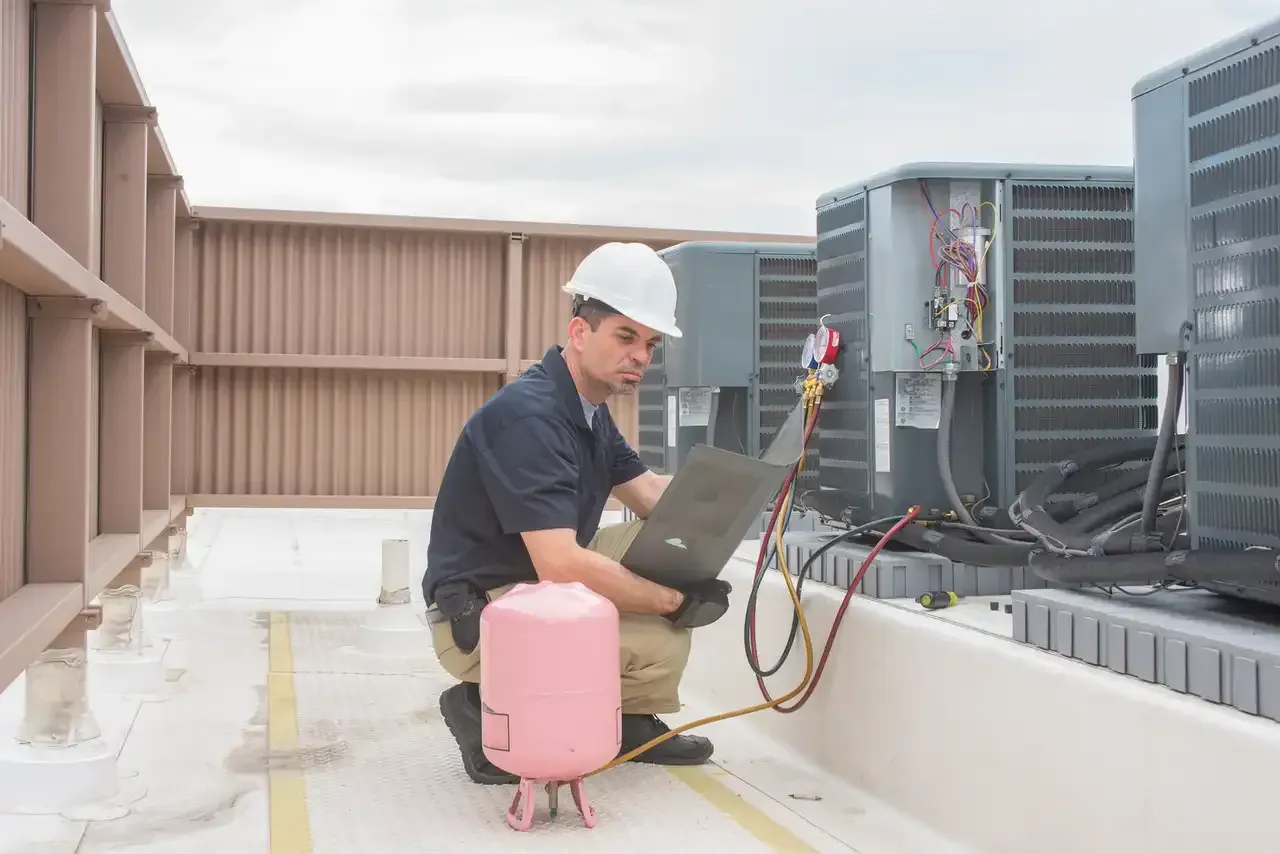
6. Check Refrigerant Levels

  • Low refrigerant can reduce cooling efficiency.
  • If levels are low, professional servicing may be needed to locate and fix leaks.

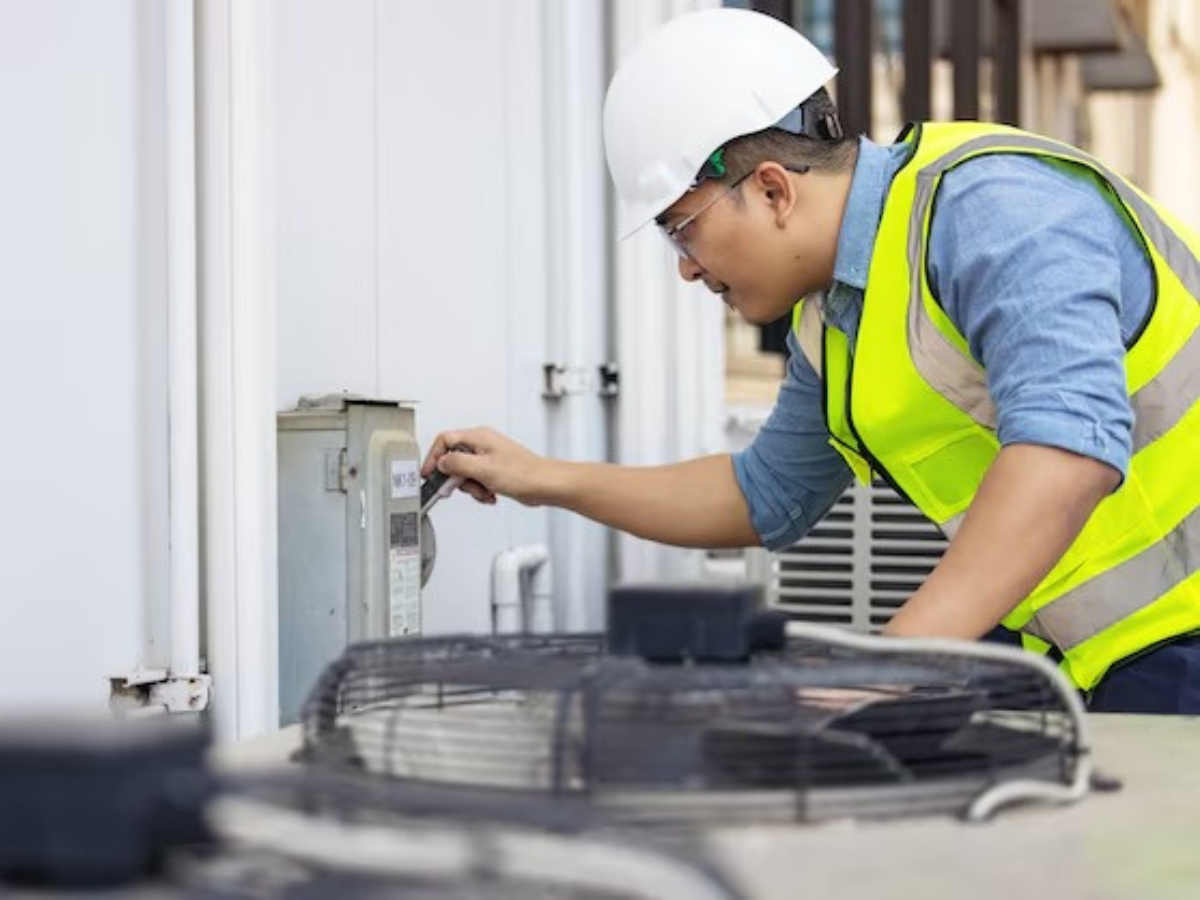
hvac units

Signs It’s Time to Replace Your HVAC Unit


Even with regular maintenance, you eventually need a replacement. Look for these signs:


  • Frequent Repairs: If repair costs exceed 50% of a new unit, replacement is a better option.
  • Rising Energy Bills: Older systems lose efficiency over time.
  • Uneven Heating or Cooling: Temperature inconsistencies may indicate system failure.
  • Strange Noises or Odors: Unusual sounds or smells can signal mechanical problems.
  • Unit Age: Most HVAC systems last 10-15 years before needing an upgrade.


Reliable HVAC Professional

Selecting the right HVAC contractor ensures proper installation and service. Look for:


  • Licensed and Certified Technicians: Ensures expertise and compliance with industry standards.
  • Positive Customer Reviews: Testimonials provide insight into service quality.
  • Transparent Pricing: A detailed estimate prevents unexpected costs.
  • Strong Warranties and Guarantees: Protects your investment for years to come.
  • 24/7 Emergency Service: Essential for unexpected breakdowns.


Smart Home Integration and HVAC Systems


With the rise of smart home technology, HVAC system now offer greater convenience and efficiency:

  • Wi-Fi Thermostats: Allow remote temperature control via smartphone apps.
  • Zoned Heating and Cooling: Helps optimize comfort in different rooms.
  • Energy Monitoring: Tracks usage patterns to identify cost-saving opportunities.


Sustainable HVAC Solutions 


As energy efficiency and environmental impact become key considerations, HVAC systems are evolving to meet sustainability standards. Homeowners are now opting for:


  • Geothermal Systems: Harnesses natural ground temperatures for heating and cooling.
  • Solar-Powered Units: Uses renewable energy for maximum efficiency.
  • Smart Sensors: Adjusts climate control based on occupancy and outdoor conditions.


Conclusion

Investing in the right HVAC units enhances comfort, improves air quality, and reduces energy costs. Whether upgrading an old system or installing a new one, understanding your options ensures you make an informed decision. If you're considering a heat and air unit, choosing an energy-efficient model can further optimize performance and savings. Regular maintenance extends the lifespan of your system and keeps your home comfortable year-round.

For professional HVAC services and expert advice, Comfort Zone HVAC is here to help. From installation to maintenance, ensuring your home’s climate control needs are met with reliability and efficiency remains our top priority.

Visit our website at https://www.comfortzonehvacwhatcom.com/  or contact us today to learn more about how we can help you create a comfortable and energy-efficient home!


You might also like
By jeffery hofer December 10, 2025
Regular HVAC maintenance is vital to ensure comfort, safety, and efficiency in any home. This easy guide explains what does HVAC maintenance include , helping homeowners understand the key tasks needed to keep their systems working well and lasting longer. With professional care from trusted experts at Comfort Zone HVAC, maintenance is straightforward and reliable, protecting your investment while improving indoor air quality. Scheduling routine service helps prevent costly breakdowns and keeps your system running efficiently through every season. What Does HVAC Maintenance Include? Breaking It Down HVAC maintenance involves a combination of thorough inspections, professional cleaning, and minor repairs to ensure the entire system runs smoothly and efficiently. Both heating and cooling components require careful attention. Here’s a detailed look at the essential tasks that trusted HVAC professionals perform to keep your system in top condition: 1. Filter Inspection and Replacement Clean air filters are essential for maintaining HVAC efficiency and improving indoor air quality. Proper filter care is a key part of regular maintenance and typically includes: Checking air filters monthly during heavy-use periods to ensure proper airflow and prevent strain on the system. Replace filters every 1 to 3 months, depending on factors like system usage and filter type, to keep the system running smoothly. Using high-quality filters to effectively capture dust, allergens, and other airborne particles supports a healthier home environment. 2. Cleaning Coils and Components Dust and debris buildup on coils and other components can reduce system efficiency . Regular cleaning includes: Thorough cleaning of evaporator and condenser coils annually to maximize heat exchange. Clearing debris and vegetation around outdoor condenser units to ensure proper airflow. Cleaning blower fan blades and housing to maintain balanced air circulation. 3. Checking Refrigerant Levels and Leaks Maintaining proper refrigerant levels is critical for cooling effectiveness and environmental compliance. Maintenance involves: Measuring refrigerant charge and adding more if necessary to maintain optimal cooling performance. Inspecting the system for refrigerant leaks, which can affect efficiency and have environmental impacts. Repairing any detected leaks in accordance with EPA guidelines, ensuring safety and sustainability. 4. Inspecting and Testing Electrical Components Electrical inspections help prevent unexpected failures and safety hazards. Maintenance includes: Checking all wiring, electrical connections, and contactors for wear or damage. Testing capacitors and relays to ensure reliable system startup and operation. Tightening loose electrical parts to prevent malfunctions. 5. Lubrication of Moving Parts Proper lubrication reduces friction and wear, extending the life of motors and fans. This includes: Applying the correct lubricants annually to motors, bearings, and other moving parts. Ensuring blower fans and motors operate smoothly and quietly. 6. Thermostat Calibration and Operation Check A well-calibrated thermostat maintains comfortable temperatures and conserves energy. Tasks include: Verifying thermostat settings and calibrations to ensure accurate temperature control. Testing communication between the thermostat and HVAC system for consistent operation. Advising on thermostat upgrades or smart thermostat installations when appropriate. 7. Ductwork Inspection and Cleaning Ducts play a critical role in airflow and energy efficiency. Maintenance includes: Inspecting duct seals and insulation to identify leaks or damage that can reduce system performance. Cleaning ducts to remove dust, mold, and allergens improves indoor air quality. Sealing leaks to prevent energy loss and maintain balanced airflow throughout the home.  8. Drain Line Cleaning Proper drainage prevents water damage and mold growth. Maintenance involves: Clearing condensation drain lines to prevent clogs and backups. Inspecting drain pans for standing water or corrosion and addressing any issues promptly.
By jeffery hofer December 10, 2025
A professional air conditioning tune up protects comfort, reduces energy waste, and prevents expensive breakdowns. This guide explains exactly what happens during a tune up and why homeowners should schedule the service before summer heat hits. Regular maintenance keeps the system running efficiently, helping to lower energy bills and extend the unit’s lifespan. Comfort Zone HVAC provides expert tune up services to ensure reliable, consistent cooling when it matters most. Taking proactive steps now can help avoid unexpected repairs and keep your home comfortable all season long. Why an Air Conditioning Tune Up Matters A professional tune up is a thorough service designed to keep cooling systems running efficiently and reliably. It involves a detailed inspection and routine maintenance performed by licensed technicians to help prevent breakdowns and improve performance. Preventive maintenance is key to avoiding costly repairs and extending the lifespan of air conditioning units. Scheduling routine tune ups ensures systems receive thorough inspections and care from licensed technicians. This proactive approach helps manage energy use effectively and keeps homes comfortable when cooling is needed most. Tailored maintenance plans focus on energy-efficient operation and long-term system health, benefiting homeowners in the local community. What a Professional Air Conditioning Tune Up Includes A professional air conditioning tune up is a thorough service designed to keep cooling systems running efficiently and reliably. It involves a detailed inspection and routine maintenance performed by licensed technicians to help prevent breakdowns and improve performance. Typical tune up services include: Thermostat Check: Ensuring the thermostat is correctly set and communicating with the system for consistent temperature control. This can include reviewing program schedules and verifying temperature accuracy. Electrical System Inspection: Examining key electrical components such as wiring, capacitors, and relays to ensure safe and stable operation. Filter Assessment: Checking and replacing air filters to maintain proper airflow and reduce strain on the system. Coil Cleaning: Inspecting and cleaning evaporator and condenser coils to support effective heat exchange and efficient cooling. Refrigerant Evaluation: Testing refrigerant levels and checking for leaks to maintain optimal cooling performance and comply with current regulations. Blower and Fan Examination: Assessing the indoor blower and outdoor fan for proper operation, which is critical for airflow and system efficiency. Drainage System Check: Inspecting and clearing condensate drain lines to prevent clogs, water damage, or mold growth. System Performance Test: Starting up the system to verify steady cooling, balanced airflow, and proper cycling. These routine tune ups help maintain energy-efficient operation, extend the lifespan of the air conditioning system, and promote reliable comfort throughout the cooling season. Additional Services Often Included in Routine Maintenance Routine maintenance often includes helpful services designed to keep cooling systems running smoothly and efficiently while enhancing homeowner comfort and savings. Smart Thermostat Review: Many modern systems feature Wi-Fi-enabled thermostats. Ensuring these devices are properly connected and functioning supports precise temperature control and efficient energy use. Indoor Air Quality Considerations: With air quality increasingly important, especially in areas affected by wildfire smoke, technicians may assess duct cleanliness, humidity levels, and recommend high-quality filters to promote healthier indoor air. Energy Efficiency Suggestions: Technicians provide practical guidance on easy upgrades such as insulating refrigerant lines, using high-efficiency filters, and adopting seasonal cooling practices that help reduce energy use and extend system life.  These proactive services enhance comfort, support energy savings, and promote the long-term health of cooling systems, providing homeowners with reliable, efficient performance.
ac repairing
By jeffery hofer November 14, 2025
Need fast and reliable AC repairing? Learn expert tips and find trusted local service for quick AC repair and maintenance. Read more!

Book a Service Today