What Is the Best Way to Do Home AC Maintenance at Home Today
Keeping a home air conditioner in good working order greatly influences comfort, energy costs, air quality, and the lifespan of your system. Proper home AC maintenance doesn’t have to be complicated, but knowing the right tasks and timing is crucial for long‑term performance and reliability.
Whether your home AC system is central air, ductless mini‑split, or another setup, this guide provides clear, expert‑aligned steps that homeowners in Bellingham and similar climates can follow. You’ll learn practical maintenance tasks, at Comfort Zone HVAC when to schedule professional service, and how regular care helps save money and improve efficiency.
Understanding Behind Home AC Maintenance
Homeowners searching for AC maintenance are generally seeking informational guidance; they want to know how to maintain their systems, what tasks they can perform themselves, and when to call a professional. Some are also interested in cost considerations, energy savings, and troubleshooting tips.
Common semantic variations and related queries include:
- AC maintenance tips
- home AC system maintenance
- how often to maintain air conditioner
- air conditioner cleaning and inspection
- seasonal AC checklist
- improving air conditioning efficiency
- residential AC upkeep
Why Regular Home AC Maintenance Is Important
Routine maintenance keeps your air conditioner efficient, reliable, and less likely to fail during hot weather. Department of Energy, regular care including filters, coils, and drains helps systems operate more efficiently and reduces energy use.
Here are the biggest benefits of proper maintenance:
Lower Energy Bills
A clean, well‑maintained air conditioner doesn’t have to work as hard to cool your home. Dust and debris buildup on filters and coils force the compressor and blower to run longer, raising energy costs. Regular filter changes alone can reduce energy use by 5–15%.
Fewer Breakdowns
Scheduled maintenance catches small issues before they become costly repairs. Professional tune‑ups also include system testing that identifies worn parts and potential problems early in the season.
Longer System Lifespan
Annual checkups can extend your air conditioner’s operational life. HVAC systems typically last 10‑15 years with proper care, but neglect speeds up wear on compressors and other parts.
Better Indoor Comfort
Maintenance ensures even cooling, consistent airflow, and fewer temperature swings throughout your home. A neglected system may struggle to keep up when temperatures rise.
Step‑by‑Step Home AC Maintenance Checklist
Below are the best practices for maintaining a home air conditioning unit tasks homeowners can perform and those best handled by professionals.
1. Change or Inspect Air Filters Monthly
The most important and simplest task in AC maintenance is filter care.
- Check monthly, especially during peak cooling seasons.
- Replace when filters look dirty or are blocking airflow.
- In homes with pets or high dust, replace filters more frequently.
Clean filters keep airflow strong, protect internal components, and prevent excessive strain on the system.
2. Clear Outdoor Unit and Maintain Airflow
Your outdoor condenser unit works harder when airflow is restricted.
Home tasks include:
- Remove leaves, dirt, grass clippings, and debris from around the unit.
- Maintain at least 2 feet of clearance on all sides.
- Gently rinse the exterior fins with a garden hose (avoid bending them).
- Trim nearby vegetation regularly.
This ensures efficient heat exchange and helps the system cool properly.
3. Inspect Coils and Clean if Needed
There are two main coils to consider:
- Evaporator coil: inside — absorbs heat from indoor air.
- Condenser coil: outside — releases heat outdoors.
Over time, dust and grime buildup on these coils reduce efficiency and cooling capacity. A gentle visual inspection and occasional coil cleaning help maintain airflow and heat transfer. Annual professional cleaning is recommended for thorough service.
4. Check and Clear the Condensate Drain
Your AC removes moisture from indoor air and drains it outside. If the drain line clogs, it can cause leaks or water damage.
Do this monthly:
- Locate the condensate line near the air handler and check for blockages.
- Slowly pour a mix of water and a little vinegar through the drain to flush debris.
A clear drain prevents moisture buildup, which reduces the risk of mold and damage.
5. Calibrate Thermostat and Consider Upgrades
An accurate thermostat reading ensures your AC doesn’t run harder than needed.
- Replace batteries if applicable.
- Clean the thermostat with a soft cloth.
- Upgrade to a programmable or smart thermostat for better control and energy savings.
Smart thermostats can adjust cooling based on schedules, reducing unnecessary energy use and improving comfort.
6. Schedule Professional Maintenance Annually
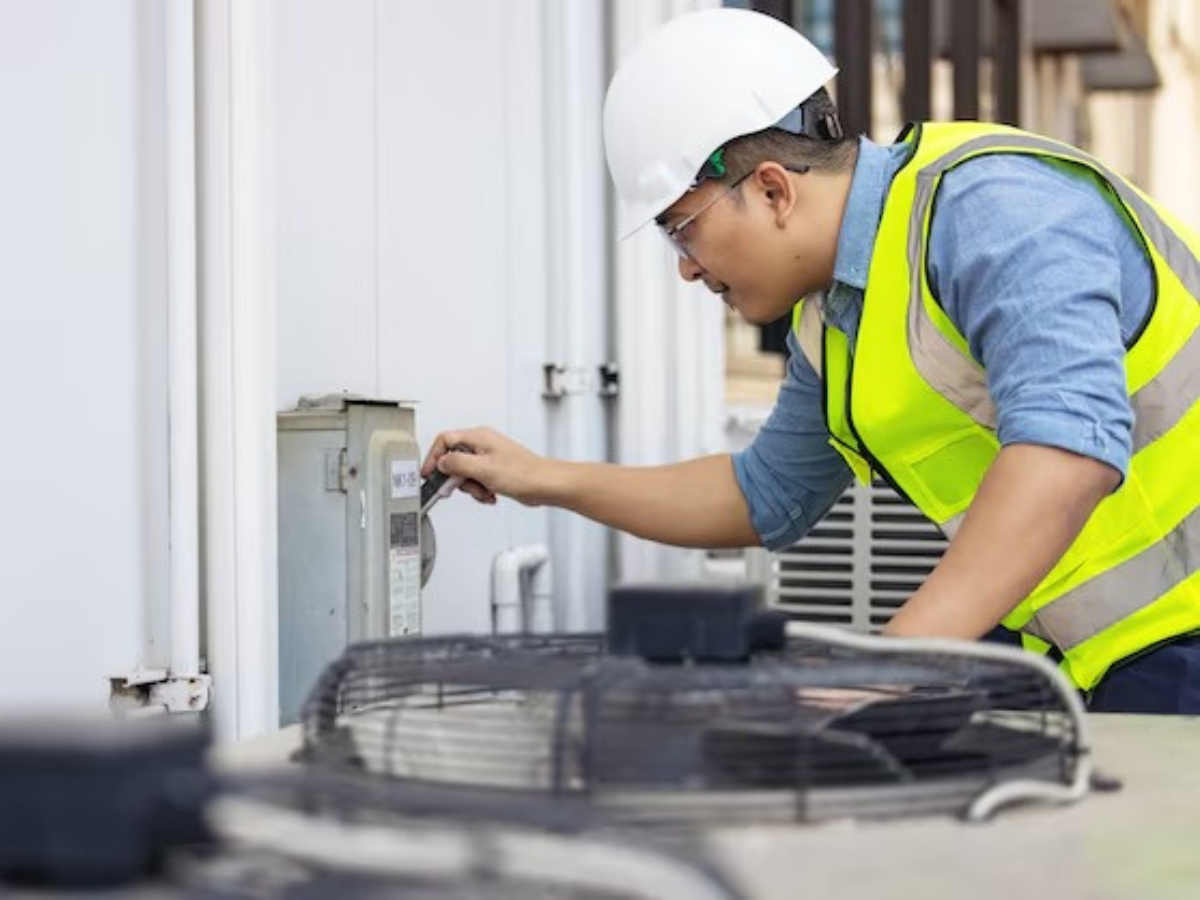
A certified HVAC technician should inspect your system at least once a year, ideally in the spring before summer loads begin. Spring maintenance helps catch issues after winter downtime and prepares your unit for peak cooling demand.
Professional service typically includes:
- Check
System performance
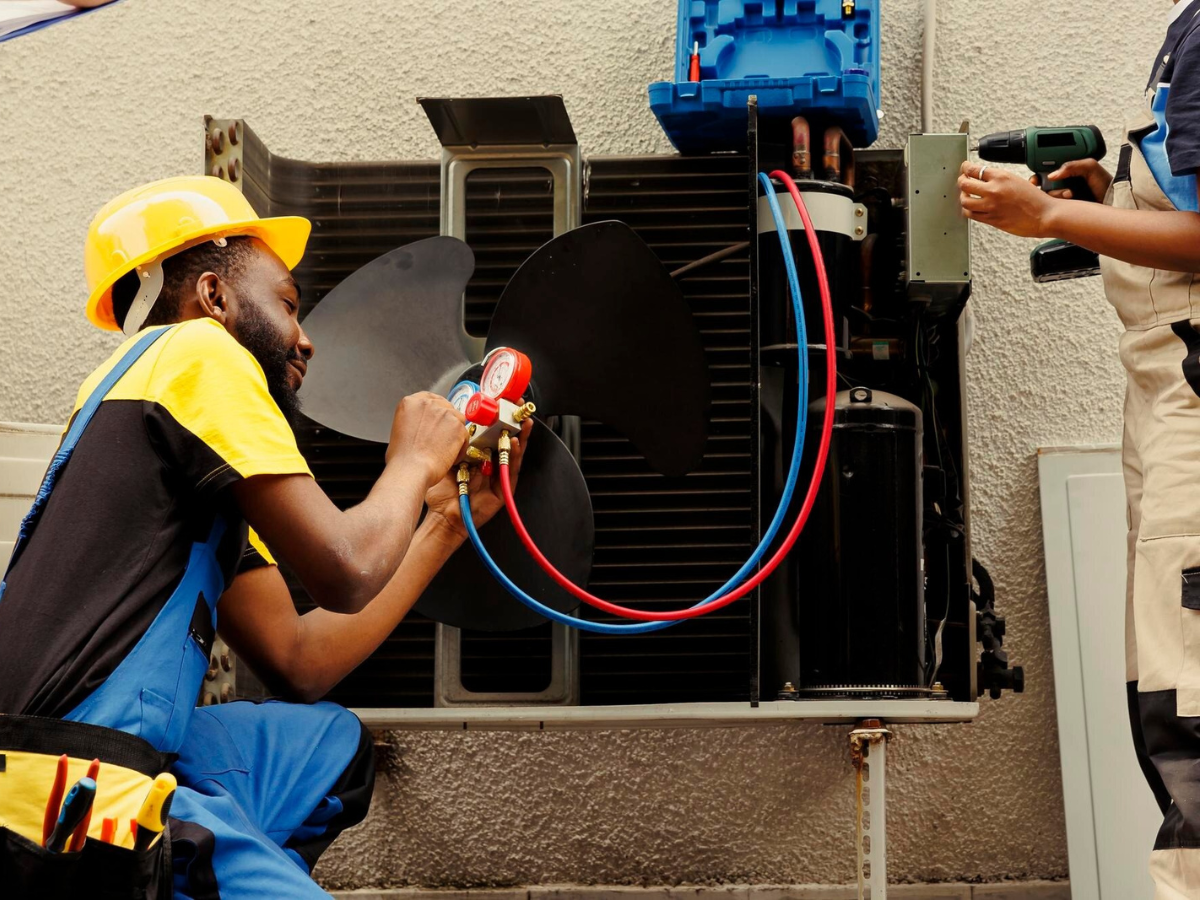
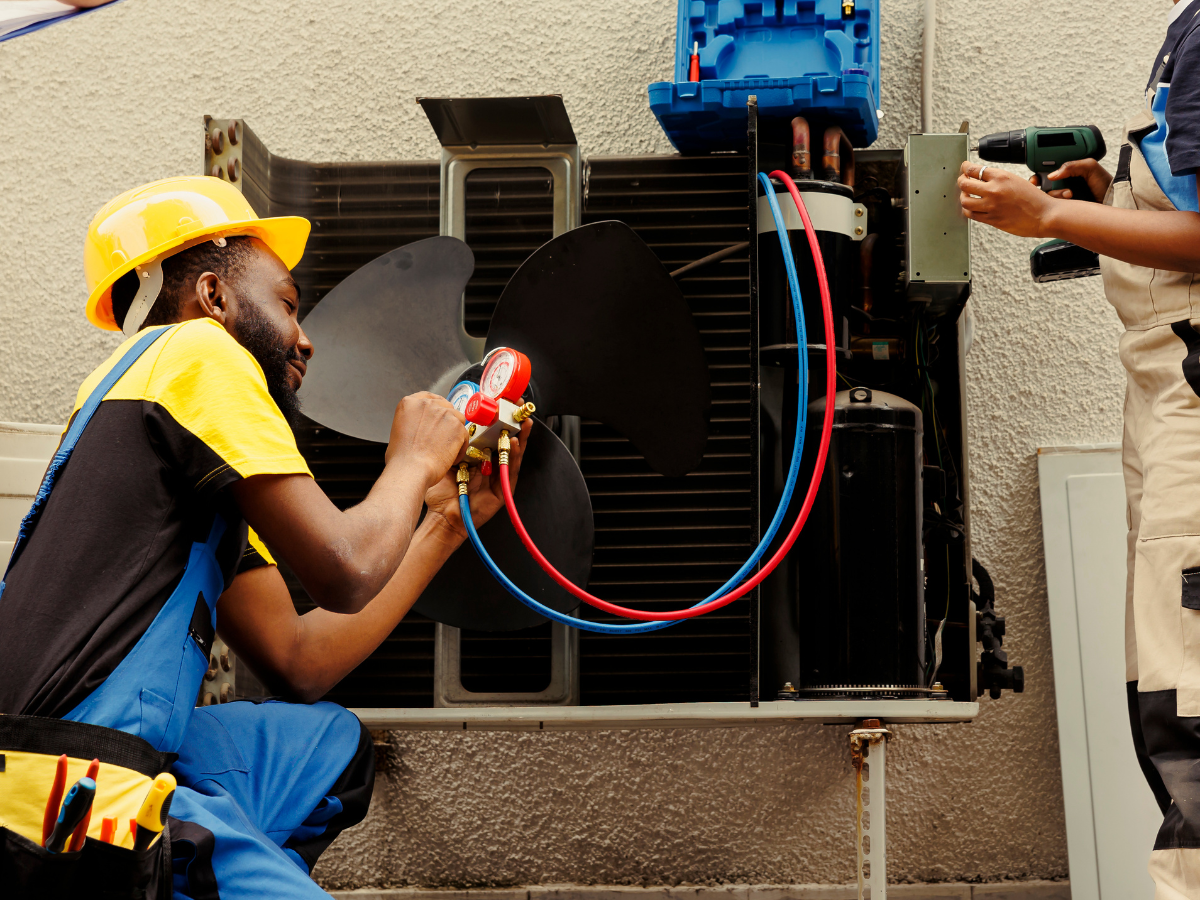
- Refrigerant level inspection
- Electrical inspection and tightening
- Lubrication of moving parts
- Coil cleaning and measurement
- Belt and blower checks
Many manufacturers require proof of annual professional maintenance to honor warranty claims.
Signs Your AC System Needs Immediate Service
Monitoring your AC system maintenance is key to preventing costly repairs and ensuring reliable cooling. If your air conditioner shows any of the following signs, it’s important to schedule a professional inspection promptly.
- Weak airflow or uneven cooling: Reduced airflow or inconsistent temperatures can indicate clogged filters, blocked ducts, or failing blower motors. Prompt attention ensures the system continues to distribute air efficiently.
- Strange noises (buzzing, rattling, or grinding): Unusual sounds often signal mechanical problems, such as worn bearings, loose components, or compressor issues. Ignoring these noises may lead to system failure.
- Water leakage or frosting on lines: Leaks around the indoor unit or frost on refrigerant lines can indicate drainage issues, low refrigerant, or coil problems. These conditions can cause water damage or reduce cooling efficiency.
- Sudden increase in energy bills: A spike in monthly electricity costs may mean your AC is working harder than it should due to clogged filters, dirty coils, or failing components. Regular AC maintenance helps prevent this.
- Bad odors when running: Musty or burning smells can be caused by mold growth, debris in ducts, or electrical issues. Addressing odors early protects indoor air quality and prevents serious damage.
These signs often indicate underlying problems that require trained HVAC professionals. For homeowners in Bellingham, scheduling timely service ensures your AC system maintenance is handled safely and effectively, keeping your home cool and energy-efficient all year.
Seasonal Timing: When to Maintain Your AC
Though maintenance can be done at any time, the ideal schedule includes:
- Spring: Annual professional tune‑up before heavy use
- Monthly during summer: Filter checks and minor tasks
- Winter or off‑season: Deep seasonal clean and check
Off‑season tune‑ups can also be more cost‑effective than emergency summer servicing.
Frequently Asked Questions
1. How often should home AC maintenance be performed?
Filter checks monthly; outdoor and coil checks seasonally; professional service annually.
2. Can homeowners do maintenance themselves?
Yes, tasks like filter changes and debris clearing are safe; refrigerant and electrical work should be left to trained technicians.
3. Does maintenance reduce energy bills?
Yes, clean well‑maintained systems run more efficiently and can lower energy bills over time.
4. How long does a maintained AC system last?
With regular care, most systems last 10–15 years or more.
5. What’s included in a professional service visit?
Technicians inspect electrical connections, refrigerant levels, coils, belts, and thermostats and perform safety checks.
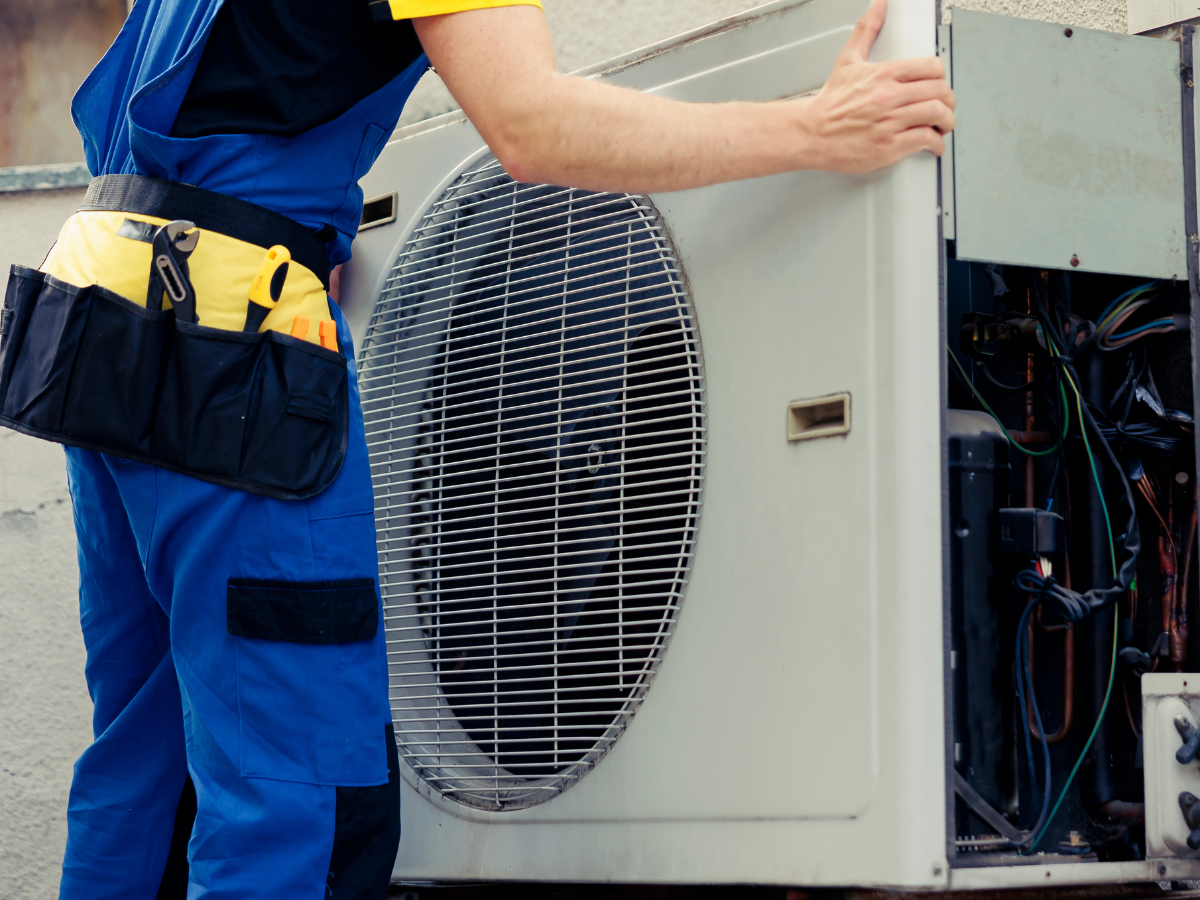
Expert AC Maintenance Tips for Long-Lasting Comfort
The most effective home AC maintenance strategy combines regular DIY care such as replacing air filters, clearing debris around outdoor units, and checking thermostat settings with annual professional inspections. This approach keeps your home AC system maintenance on track, reduces energy bills, prevents unexpected breakdowns, and extends the lifespan of your unit.
For Bellingham homeowners, routine care is especially important due to the region’s humid summers, which can accelerate wear and encourage mold growth in poorly maintained systems. Incorporating simple preventive steps, like cleaning coils and draining condensate lines, ensures consistent cooling and improves indoor air quality year-round.
Schedule a service visit
Comfort Zone HVAC today to keep your AC running efficiently and maintain maximum comfort in every season.
You might also like