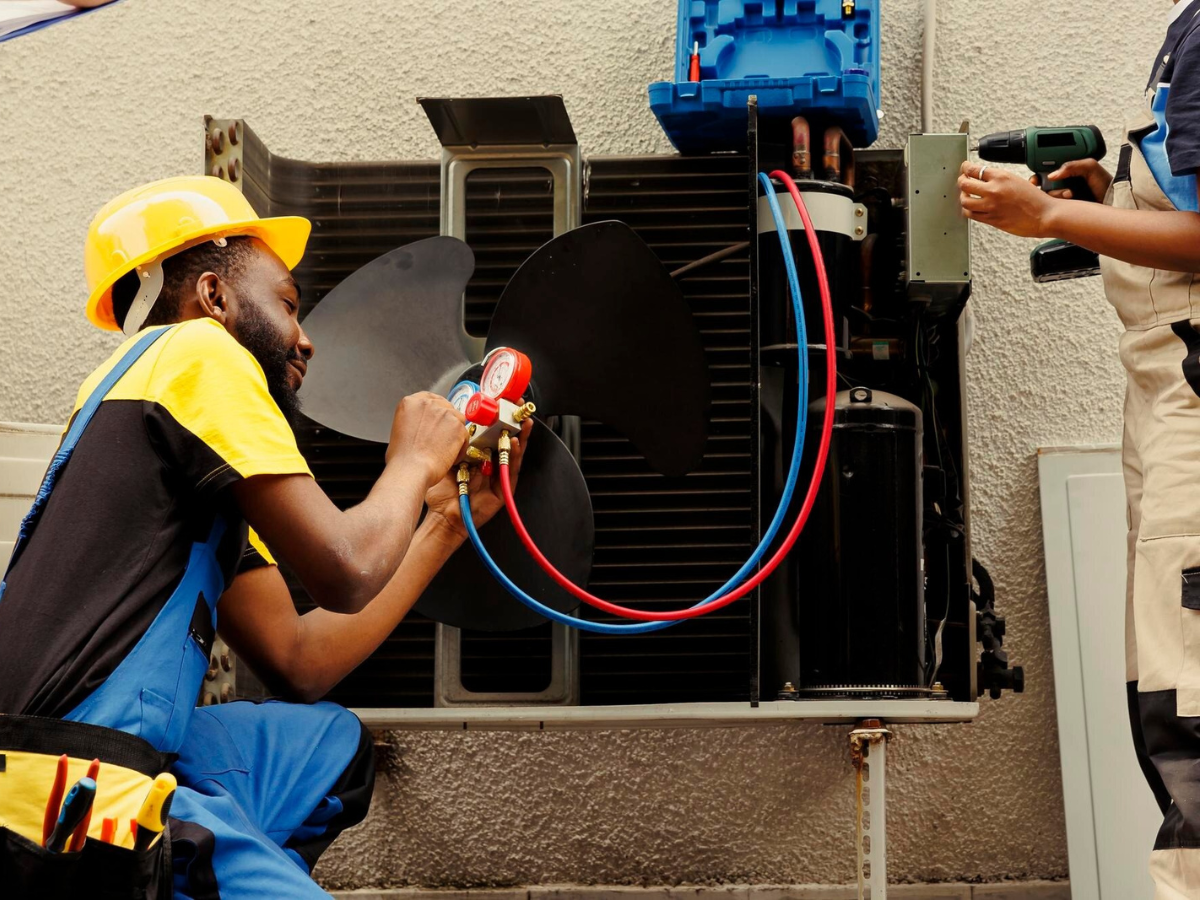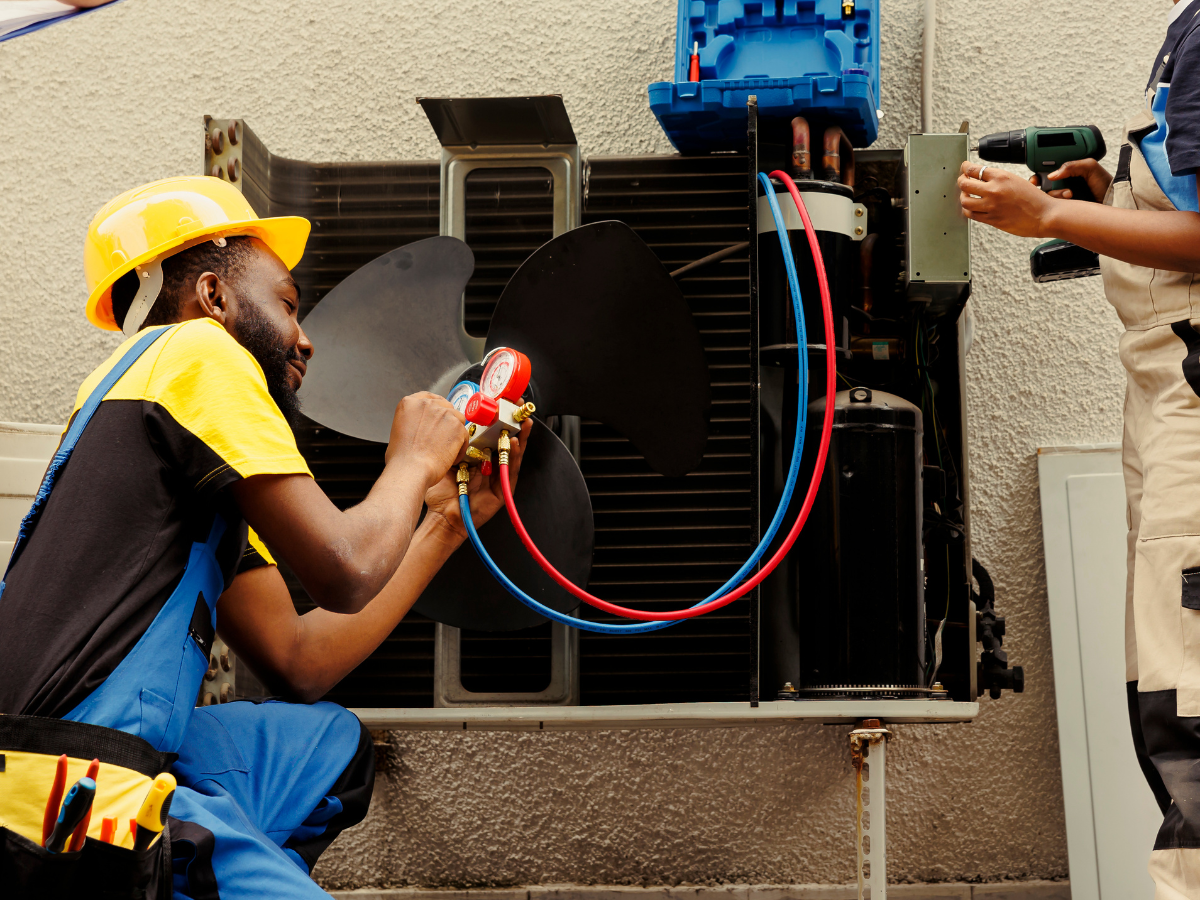
Expert HVAC Cooling System Solutions for Comfortable Living

jeffery hofer • June 19, 2025

When temperatures climb, a dependable hvac cooling system is no longer a luxury—it’s a necessity. Whether you’re a homeowner, property manager, or business owner, managing indoor climate effectively is key to maintaining comfort, safety, and indoor air quality. At Comfort Zone Hvac, residents of Whatcom County and surrounding areas have access to trusted solutions that are guided by industry experience and a deep understanding of residential and commercial climate control.

This article explores the core components of modern cooling systems, their benefits, signs they need attention, and the importance of professional installation and maintenance. With a focus on offering valuable, practical information, this guide will help you make confident decisions about your home or business’s temperature control needs.


How Residential and Commercial Cooling Works

An HVAC (Heating, Ventilation, and Air Conditioning) cooling system regulates the temperature and air quality inside a building. While heating and ventilation are vital components, this article focuses on cooling, the part of the system responsible for maintaining a comfortable indoor temperature during warmer months.

Cooling systems work by removing heat from indoor air and circulating cooled air throughout the building. This process is typically achieved through air conditioning units, heat pumps, or ductless mini-split systems.


Common Types of Cooling Systems:


  • Central Air Conditioners: Ideal for cooling entire homes via a network of ducts.
  • Ductless Mini-Splits: Great for targeted cooling and homes without ductwork.
  • Heat Pumps: Efficient in moderate climates for both heating and cooling.
  • Window Units and Portable ACs: Best suited for small spaces or temporary use.


The best solution depends on the building’s layout, insulation, and cooling requirements.


Why Proper Cooling Matters

A well-maintained cooling system goes beyond just comfort—it’s also essential for health, productivity, and energy efficiency.


Health and Indoor Air Quality

Inadequate cooling or poor ventilation can lead to increased humidity, creating conditions that encourage mold and bacteria growth. This may aggravate respiratory issues or allergies. A functioning cooling system helps regulate humidity levels and filter out airborne particles.


Comfort and Sleep

When indoor temperatures rise, concentration and sleep quality often suffer. Consistent cooling helps maintain comfortable temperatures in every room, improving quality of life and productivity.


Energy Efficiency and Utility Bills

An outdated or inefficient cooling system can consume more energy than necessary. Modern systems are designed to be more efficient, offering consistent performance with lower electricity consumption, leading to cost savings over time.


Signs Your Cooling System Needs Service or Replacement

Many homeowners wait until their system breaks down entirely before calling a technician. However, recognizing the early signs of trouble can prevent larger, more expensive problems down the line.


1. Uneven Temperatures

If some rooms are colder or hotter than others, your system may have airflow issues or thermostat imbalances.


2. Strange Noises or Odors

Buzzing, rattling, or musty smells are signs of internal damage, loose parts, or microbial growth within the system.


3. Rising Energy Bills

Unexpected increases in energy use can indicate a drop in system efficiency.


4. Frequent Cycling

If your AC turns on and off too often, it may be struggling to maintain the set temperature.


5. Aging Equipment

Cooling systems typically last 10–15 years. If yours is nearing that age and needs frequent repairs, it may be time to consider replacement.


Why Routine Cooling Maintenance Matters

Routine maintenance is key to keeping your cooling system performing reliably. Annual check-ups by qualified professionals can:


  • Prevent unexpected breakdowns
  • Prolong equipment life
  • Maintain energy efficiency
  • Improve air quality
  • Reduce overall operating costs


Tasks like changing filters, cleaning coils, and checking refrigerant levels are small steps that contribute to big improvements in system performance.


Finding the Right Cooling Setup for Your Home or Business

Every home or commercial building has unique cooling needs, and selecting the right system requires expert evaluation. Factors to consider include:


  • Square Footage: Larger areas need higher-capacity systems.
  • Insulation Quality: Well-insulated buildings require less cooling power.
  • Ductwork Condition: Leaky or unbalanced ducts reduce efficiency.
  • Local Climate: Humidity levels and average temperatures play a role.
  • Budget and Long-Term Goals: Consider upfront costs vs. long-term savings.


An experienced HVAC technician can provide a tailored recommendation based on a full assessment of your space.


Installation: Why It Should Be Done by Professionals

Installing a cooling system is not a simple DIY project. Even a top-of-the-line system won’t perform well if it’s not installed correctly. Poor installation can lead to:


  • Reduced efficiency
  • Higher energy bills
  • Shortened system lifespan
  • Frequent repairs
  • Voided warranties


Professional installation ensures that the system is properly sized, correctly connected, and set up to meet manufacturer specifications. It also guarantees that any electrical or refrigerant work is handled safely and in compliance with local building codes.
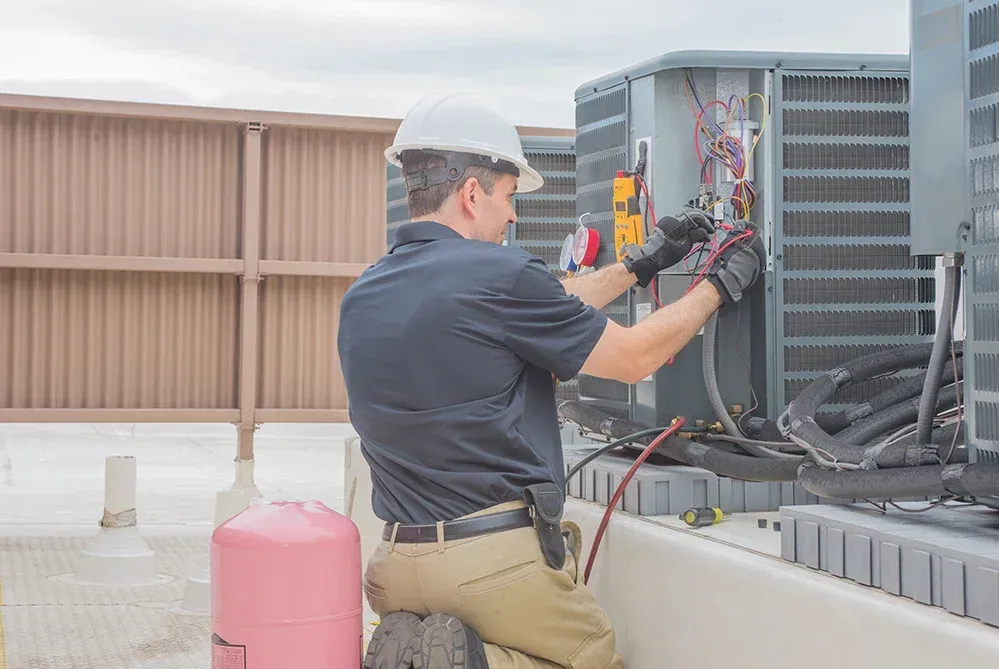
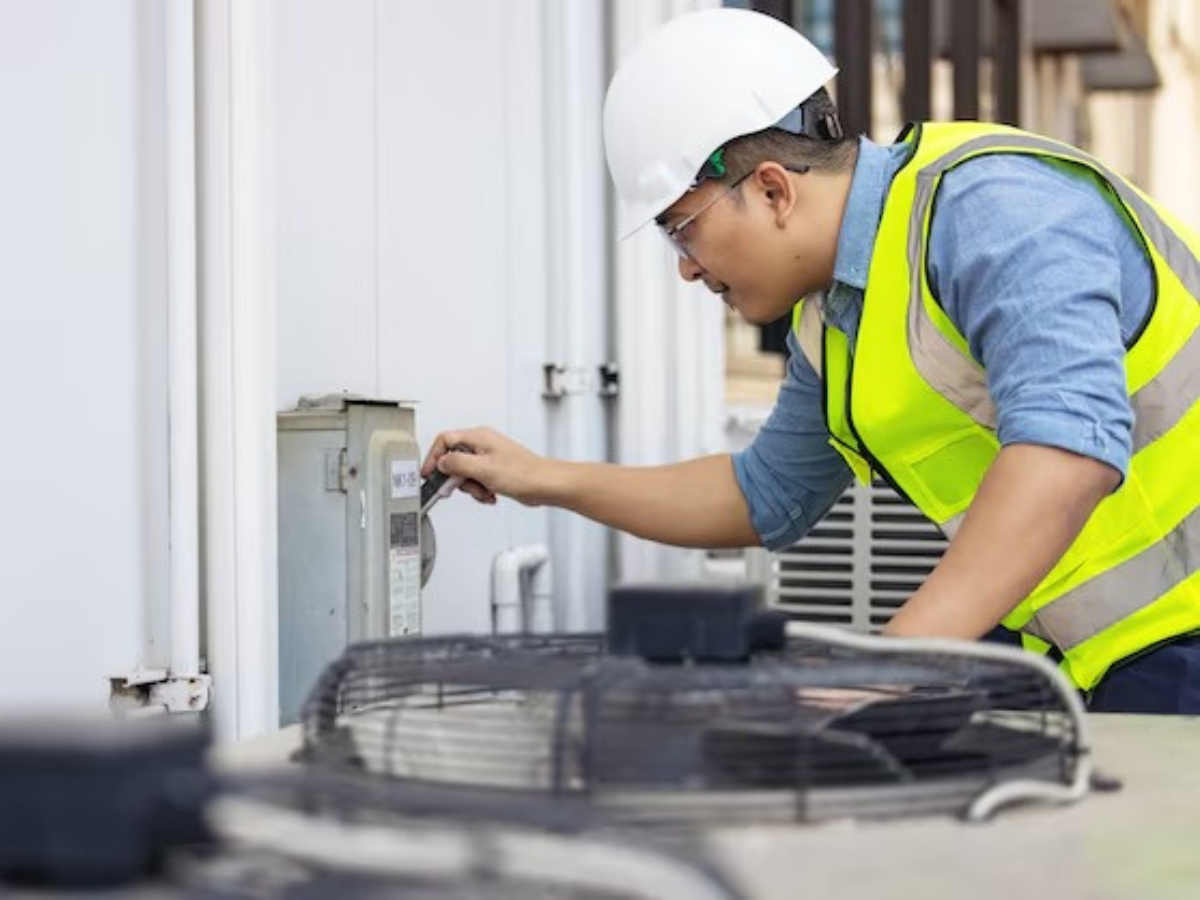
HVAC Cooling System

What to Expect from a Reliable HVAC Service Provider

A trustworthy HVAC contractor should offer more than just installation. Look for a company that provides a full range of services, including:


  • In-home consultations and assessments
  • Transparent estimates with clear explanations
  • Licensed and trained technicians
  • Preventative maintenance programs
  • 24/7 emergency support
  • Support with rebates or energy-efficiency incentives


This local provider brings years of hands-on experience, technical knowledge, and customer-first service to every job, ensuring peace of mind from the initial consultation through long-term maintenance.


Tips for Keeping Your Cooling System Running Efficiently

You don’t need to wait for an annual tune-up to take care of your system. Here are a few simple steps you can take to help keep it in good condition:


  1. Change Air Filters Regularly: A clogged filter restricts airflow and reduces efficiency.
  2. Keep Vents Clear: Avoid blocking vents with furniture or rugs.
  3. Check for Air Leaks: Sealing windows and doors helps keep cool air inside.
  4. Adjust Thermostat Settings: Use programmable thermostats to reduce cooling when you're not home.
  5. Inspect Outdoor Units: Clear debris like leaves or grass from around the condenser.


These habits can make a significant difference in your system’s performance and help prevent costly repairs.


When to Replace Instead of Repair

If your system is older, and you've already made several service calls in a short time, a replacement might be the smarter option. Here are some scenarios where replacement is worth considering:


  • Frequent breakdowns and service costs are adding up
  • Cooling bills are significantly higher than normal
  • You’re still using an R-22 refrigerant-based system (which is being phased out)
  • Comfort issues remain even after multiple repairs
  • You’re planning to sell the home soon and want to improve value


A newer system can offer better performance and help meet modern efficiency standards.


A Trusted Name in Cooling Solutions

With years of experience serving the Whatcom County area, this team is committed to delivering practical, effective solutions for residential and commercial customers. Their trained professionals understand the science of indoor climate control and the importance of reliable service. Whether you need a new cooling setup, emergency repair, or routine maintenance, they bring the expertise and attention to detail that customers expect from a trusted contractor.


Conclusion

Your comfort at home or at work depends on more than just temperature—it requires the right equipment, installed and maintained by knowledgeable professionals. A well-functioning hvac cooling system can provide reliable comfort, improve indoor air quality, and help manage energy costs. For residents and businesses in Whatcom County, Comfort Zone Hvac is a dependable resource for honest advice and expert service.

You might also like
By jeffery hofer December 10, 2025
Regular HVAC maintenance is vital to ensure comfort, safety, and efficiency in any home. This easy guide explains what does HVAC maintenance include , helping homeowners understand the key tasks needed to keep their systems working well and lasting longer. With professional care from trusted experts at Comfort Zone HVAC, maintenance is straightforward and reliable, protecting your investment while improving indoor air quality. Scheduling routine service helps prevent costly breakdowns and keeps your system running efficiently through every season. What Does HVAC Maintenance Include? Breaking It Down HVAC maintenance involves a combination of thorough inspections, professional cleaning, and minor repairs to ensure the entire system runs smoothly and efficiently. Both heating and cooling components require careful attention. Here’s a detailed look at the essential tasks that trusted HVAC professionals perform to keep your system in top condition: 1. Filter Inspection and Replacement Clean air filters are essential for maintaining HVAC efficiency and improving indoor air quality. Proper filter care is a key part of regular maintenance and typically includes: Checking air filters monthly during heavy-use periods to ensure proper airflow and prevent strain on the system. Replace filters every 1 to 3 months, depending on factors like system usage and filter type, to keep the system running smoothly. Using high-quality filters to effectively capture dust, allergens, and other airborne particles supports a healthier home environment. 2. Cleaning Coils and Components Dust and debris buildup on coils and other components can reduce system efficiency . Regular cleaning includes: Thorough cleaning of evaporator and condenser coils annually to maximize heat exchange. Clearing debris and vegetation around outdoor condenser units to ensure proper airflow. Cleaning blower fan blades and housing to maintain balanced air circulation. 3. Checking Refrigerant Levels and Leaks Maintaining proper refrigerant levels is critical for cooling effectiveness and environmental compliance. Maintenance involves: Measuring refrigerant charge and adding more if necessary to maintain optimal cooling performance. Inspecting the system for refrigerant leaks, which can affect efficiency and have environmental impacts. Repairing any detected leaks in accordance with EPA guidelines, ensuring safety and sustainability. 4. Inspecting and Testing Electrical Components Electrical inspections help prevent unexpected failures and safety hazards. Maintenance includes: Checking all wiring, electrical connections, and contactors for wear or damage. Testing capacitors and relays to ensure reliable system startup and operation. Tightening loose electrical parts to prevent malfunctions. 5. Lubrication of Moving Parts Proper lubrication reduces friction and wear, extending the life of motors and fans. This includes: Applying the correct lubricants annually to motors, bearings, and other moving parts. Ensuring blower fans and motors operate smoothly and quietly. 6. Thermostat Calibration and Operation Check A well-calibrated thermostat maintains comfortable temperatures and conserves energy. Tasks include: Verifying thermostat settings and calibrations to ensure accurate temperature control. Testing communication between the thermostat and HVAC system for consistent operation. Advising on thermostat upgrades or smart thermostat installations when appropriate. 7. Ductwork Inspection and Cleaning Ducts play a critical role in airflow and energy efficiency. Maintenance includes: Inspecting duct seals and insulation to identify leaks or damage that can reduce system performance. Cleaning ducts to remove dust, mold, and allergens improves indoor air quality. Sealing leaks to prevent energy loss and maintain balanced airflow throughout the home.  8. Drain Line Cleaning Proper drainage prevents water damage and mold growth. Maintenance involves: Clearing condensation drain lines to prevent clogs and backups. Inspecting drain pans for standing water or corrosion and addressing any issues promptly.
By jeffery hofer December 10, 2025
A professional air conditioning tune up protects comfort, reduces energy waste, and prevents expensive breakdowns. This guide explains exactly what happens during a tune up and why homeowners should schedule the service before summer heat hits. Regular maintenance keeps the system running efficiently, helping to lower energy bills and extend the unit’s lifespan. Comfort Zone HVAC provides expert tune up services to ensure reliable, consistent cooling when it matters most. Taking proactive steps now can help avoid unexpected repairs and keep your home comfortable all season long. Why an Air Conditioning Tune Up Matters A professional tune up is a thorough service designed to keep cooling systems running efficiently and reliably. It involves a detailed inspection and routine maintenance performed by licensed technicians to help prevent breakdowns and improve performance. Preventive maintenance is key to avoiding costly repairs and extending the lifespan of air conditioning units. Scheduling routine tune ups ensures systems receive thorough inspections and care from licensed technicians. This proactive approach helps manage energy use effectively and keeps homes comfortable when cooling is needed most. Tailored maintenance plans focus on energy-efficient operation and long-term system health, benefiting homeowners in the local community. What a Professional Air Conditioning Tune Up Includes A professional air conditioning tune up is a thorough service designed to keep cooling systems running efficiently and reliably. It involves a detailed inspection and routine maintenance performed by licensed technicians to help prevent breakdowns and improve performance. Typical tune up services include: Thermostat Check: Ensuring the thermostat is correctly set and communicating with the system for consistent temperature control. This can include reviewing program schedules and verifying temperature accuracy. Electrical System Inspection: Examining key electrical components such as wiring, capacitors, and relays to ensure safe and stable operation. Filter Assessment: Checking and replacing air filters to maintain proper airflow and reduce strain on the system. Coil Cleaning: Inspecting and cleaning evaporator and condenser coils to support effective heat exchange and efficient cooling. Refrigerant Evaluation: Testing refrigerant levels and checking for leaks to maintain optimal cooling performance and comply with current regulations. Blower and Fan Examination: Assessing the indoor blower and outdoor fan for proper operation, which is critical for airflow and system efficiency. Drainage System Check: Inspecting and clearing condensate drain lines to prevent clogs, water damage, or mold growth. System Performance Test: Starting up the system to verify steady cooling, balanced airflow, and proper cycling. These routine tune ups help maintain energy-efficient operation, extend the lifespan of the air conditioning system, and promote reliable comfort throughout the cooling season. Additional Services Often Included in Routine Maintenance Routine maintenance often includes helpful services designed to keep cooling systems running smoothly and efficiently while enhancing homeowner comfort and savings. Smart Thermostat Review: Many modern systems feature Wi-Fi-enabled thermostats. Ensuring these devices are properly connected and functioning supports precise temperature control and efficient energy use. Indoor Air Quality Considerations: With air quality increasingly important, especially in areas affected by wildfire smoke, technicians may assess duct cleanliness, humidity levels, and recommend high-quality filters to promote healthier indoor air. Energy Efficiency Suggestions: Technicians provide practical guidance on easy upgrades such as insulating refrigerant lines, using high-efficiency filters, and adopting seasonal cooling practices that help reduce energy use and extend system life.  These proactive services enhance comfort, support energy savings, and promote the long-term health of cooling systems, providing homeowners with reliable, efficient performance.
ac repairing
By jeffery hofer November 14, 2025
Need fast and reliable AC repairing? Learn expert tips and find trusted local service for quick AC repair and maintenance. Read more!

Book a Service Today